Where to Fish on the McKenzie River
If you are trying to decide where to fish on the McKenzie, the short answer is this: it depends on how you like to spend your day. Some anglers want technical water, wild fish, and a challenge. Some want easy access and a better shot at steady action. Some want a drift boat, a good hatch, and enough river ahead of them to forget what day it is.
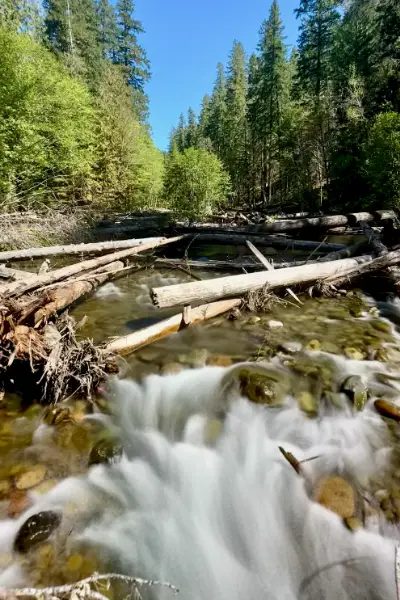
This river gives you all of that.
The McKenzie is usually talked about in three sections: Upper, Middle, and Lower. Each one has its own rhythm, its own access points, and its own kind of fishing day.
If You Want Wild Water, Start in the Upper McKenzie
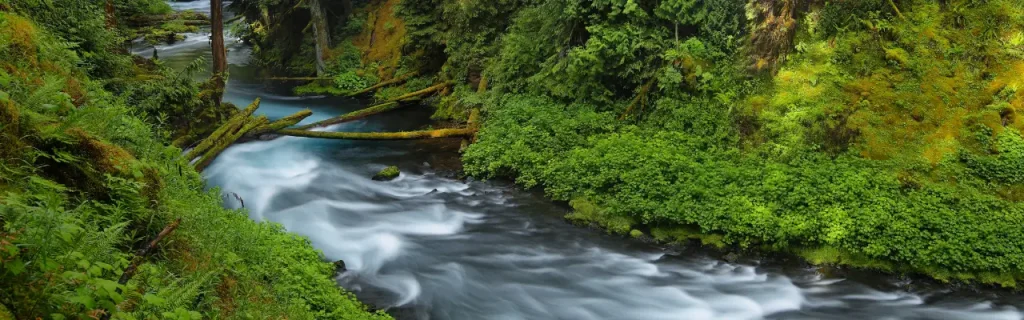
The Upper McKenzie runs from Paradise Campground down toward the Blue River confluence. This is the stretch people dream about when they picture cold, clear Oregon trout water. You are close to icons like Sahalie Falls, Clear Lake, and Tamolitch Blue Pool, and the river feels every bit as wild as that sounds.
This is not the section for lazy casts and casual footing. The gradient is steeper, the pocket water is fast, and the wading can get technical in a hurry. If you are rowing, boat handling matters. If you are on foot, so does balance.
The reward is worth it. This is prime water for wild McKenzie Redside trout and native Cutthroat trout. These fish live in cold, oxygen-rich current and they act like it. They are strong, quick, and not especially interested in your excuses.
A few rules matter here. Above Paradise Campground, trout management is wild-only. Barbless flies and lures only. No bait. If you love the idea of matching casts to fast current and earning every fish, this is your water.
If You Want More Access and More Variety, Fish the Middle McKenzie
The Middle McKenzie, from Blue River to Leaburg Dam, is where a lot of anglers find their groove. You still get beautiful structure and classic McKenzie character, but the learning curve softens a bit. Think riffles, runs, boulder pockets, and more places where bank anglers can actually get in on the fun.
You will recognize landmarks like Belknap Bridge, the Blue River community, and Vida Cafe. You also have easier access to food and post-fishing recovery options like Takodas and Indigo Cafe, which starts to sound very important after a long day on the water.
This section holds hatchery Rainbow trout, wild Redside trout, and Mountain Whitefish. Because hatchery supplementation is allowed here, fish numbers can feel more forgiving, especially for families, newer anglers, or anyone who wants a solid chance at bending a rod without having to solve a river puzzle first.
You still need to read the water and respect the current, but compared to the upper river, this stretch is more accessible, more flexible, and friendlier to a wider range of fishing styles.
If You Want Big River Feel, Explore the Lower McKenzie
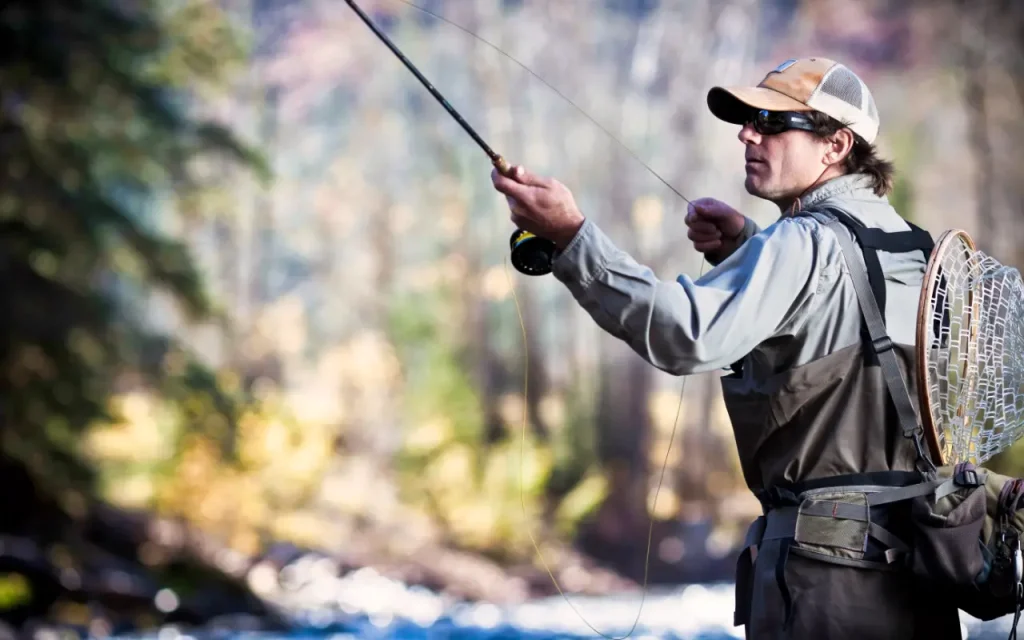
From Leaburg Dam down to the Willamette confluence, the Lower McKenzie opens up. The river gets wider, side channels start to matter, and your day becomes more about timing, temperature, and covering water well.
Key landmarks here include Hayden Bridge, Hendricks Bridge, and Leaburg Lake. This is a stretch where planning matters, especially in summer. Water temperatures can push past 70°F, which means responsible anglers fish early, fish cooler days, or shift to spring and fall when conditions are better for wild fish.
The Lower McKenzie can offer wild Redside trout, and seasonally, Steelhead and Spring Chinook salmon. Regulations matter here too. Artificial lures and flies only below Hayden/Hendricks Bridge in certain zones, no bait in protected wild reaches, and annual ODFW regulations should always be checked before you go.
If you like broader water, seasonal opportunity, and the chance to explore channels and structure that change the feel of the day, the lower river can be a very good place to start.
Meet the Fish Everyone Talks About: McKenzie Redside Trout
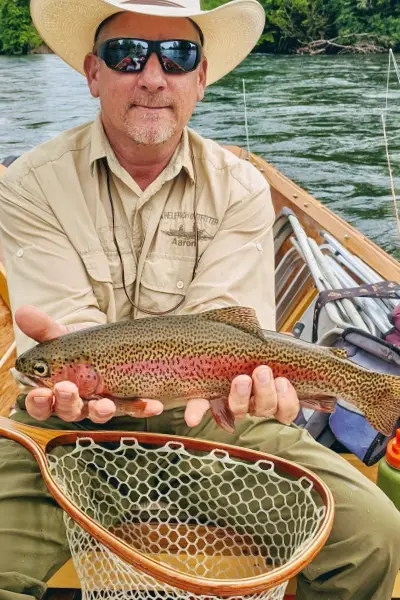
The McKenzie Redside is the fish that keeps people coming back. It is a form of rainbow trout, Oncorhynchus mykiss, but around here it gets talked about with a little more respect than that.
And honestly, it earns it.
These trout are known for that vivid red stripe, dense spotting, solid build, and white-tipped fins. They love high-velocity riffles, oxygenated tailwaters, and structure created by the river’s volcanic basalt. They feed on mayflies, caddisflies, stoneflies, and terrestrials, which is good news if you enjoy the chess match of fly selection.
The real charm of the Redside is not just how it looks. It is how it fights. These fish are famous for strength, speed, and a tendency to go airborne at exactly the moment you thought you had everything under control. In some wild-only segments, release is mandatory, and that is part of what protects the fishery that makes this river special.
Why the McKenzie Drift Boat Matters
You cannot talk seriously about fishing this river without talking about the McKenzie Drift Boat.
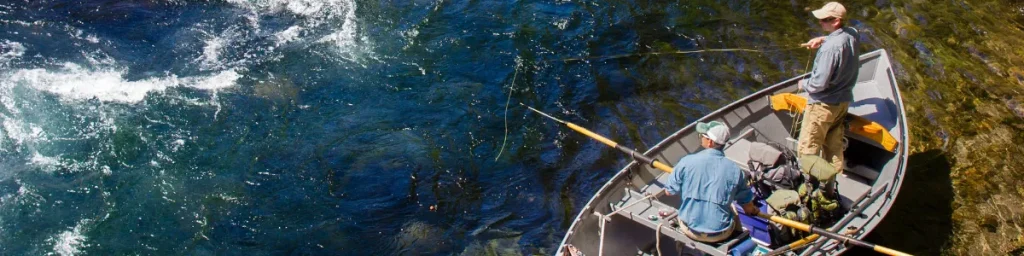
This double-ended, high-prow dory, built in wood or aluminum, was developed in the 1940s specifically for the rocky, technical rapids of the McKenzie. It was not a happy accident. It was a solution. The river demanded a boat that could turn quickly, float shallow, and give anglers a stable platform while a skilled rower worked through complicated current.
That design still matters now.
A McKenzie Drift Boat opens water that bank anglers simply cannot reach well, including mid-river islands, pocket water, and seams tucked into places that rarely see a clean cast from shore. Local guide services use these boats for half-day and full-day float trips between Finn Rock and Leaburg, and if you have never fished from one on this river, it is hard to overstate how much it changes the experience.
What to Bring and How to Fish It
A lot of anglers do well here with 9-foot fly rods in the 4-weight to 6-weight range, floating lines, and tapered leaders in the 9- to 12-foot range with 4x to 6x tippet. Standard flies that keep showing up for a reason include Parachute Adams, Elk Hair Caddis, Stimulators, Prince Nymphs, and Copper Johns.
For wading, felt soles where permitted, or studded rubber soles, plus breathable waders and a wading staff, can make a big difference, especially on upper-river basalt and uneven current-broken footing.
As for technique, this is a river that rewards good mending, high-sticking through complex seams, and careful dry-fly placement along eddies and current edges. In other words, if you like fishing that asks you to pay attention, you are in the right place.
Why a Fishing Guide Can Change the Whole Day
If you really want to shortcut the learning curve, booking a local guide service can be an absolute game-changer, whether you plan to fish from shore or spend the day in a boat. A good guide already knows what is hatching, what the fish are eating, and how the river is behaving right now, not last week. That means less guesswork, fewer dead-end casts, and a much better shot at finding the kind of day you were hoping for.
On the boat side, a guide can row you safely through technical water and put you on seams, islands, and side channels that are tough or flat-out impossible to reach from the bank, especially where private property or tricky mid-river structure cuts off easy access. On the shore side, a guide can save beginners a whole lot of frustration with coaching on reading water, presentation, and gear setup. And if you already know what you are doing, a guide is still worth every penny when you want to dial in local hatches, fish better water, and target specific wild trophy fish instead of just hoping you bump into one. Add in high-quality rods, flies, and other gear that many guide services provide, and it becomes one of the easiest ways to level up your McKenzie day fast.

Before You Go, Check the Rules
The Oregon Department of Fish and Wildlife sets the regulations here, and it is worth checking the current synopsis before every trip. You will need a valid Oregon Angling License, and if salmon or steelhead are part of your plan, make sure you also have the required tag.
If you keep a legal fish, record it right away on your electronic or paper tag. Pay close attention to boundaries too. On the McKenzie, the line between hatchery water and wild-only water, or bait water and no-bait water, is often tied to bridges, campgrounds, and other very specific landmarks like Paradise Campground or Hayden Bridge.
The primary trout season usually starts on the fourth Saturday in April and runs through October 31, while some lower-river sections offer year-round catch-and-release opportunity. Rules can change, so treat this as your reminder to verify before you cast.
Easy Access Points to Know
- Clear Lake: Location Link. Good for Cutthroat and Rainbow. Best for lake fishing from shore or boat.
- Paradise Campground: Upper river launch. Best for wild Redside trout and technical drifts or wading.
- Blue River Park: Middle river access. A solid option for stocked Rainbow trout and family-friendly bank fishing.
- Leaburg Dam: Middle-to-lower transition. Trout and Steelhead potential. Bank access and ADA-accessible platforms.
- Hendricks Bridge: Lower river launch. Good drift boat entry and winter angling water for wild Redside trout.
So, Which Section Is Right for You?
If you are fishing with family, want easier access, or just prefer more straightforward action, the Middle McKenzie is usually the easiest recommendation. It gives you solid access, stocked fish opportunities, and plenty of nearby places to grab a meal after the river, including Takodas.
If you want challenge, technical presentation, and wild fish in more demanding water, head for the Upper McKenzie or the lower wild reaches. Bring your patience, bring your best casts, and respect the barbless and no-bait rules where they apply.
If you are making a full trip out of it, riverfront cabins are a smart call. Staying close to the water makes dawn patrol and evening hatch sessions a whole lot easier.
Quick Reference
Keywords: McKenzie River fishing, Redside trout, Oregon fly fishing, McKenzie Drift Boat, wild trout regulations, Leaburg fishing, Blue River fishing, upper McKenzie trout.
Indexing tags: Oregon, Lane County, Willamette National Forest, Sport Fishing, Tourism.
Document status: Active.
Author: Chris LaVoie.
Source data: Visit McKenzie River Directory.
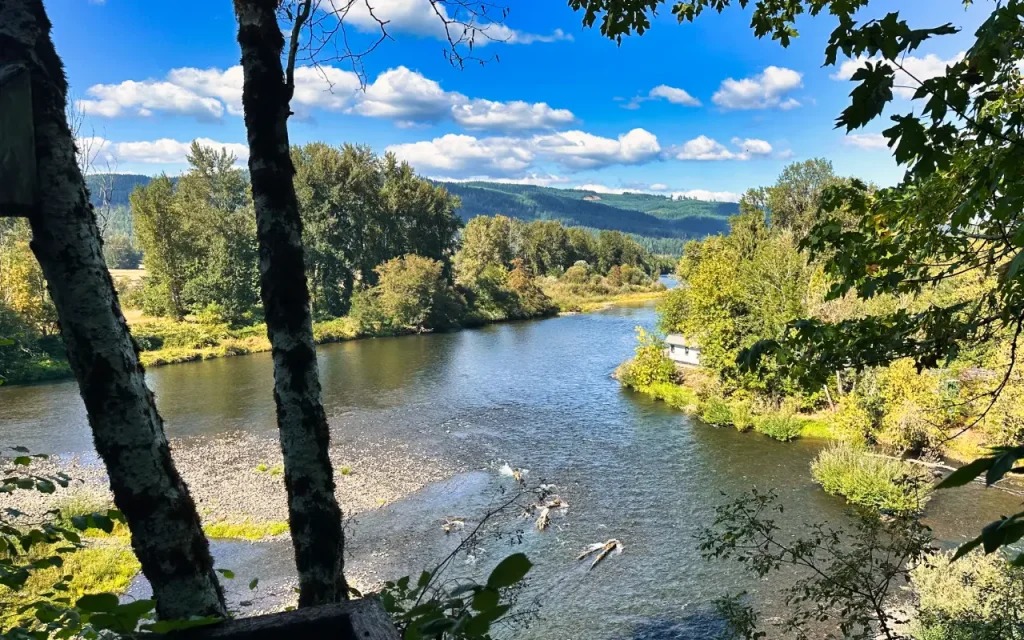
Special thank you to Aaron Helfrich of A Helfrich Outfitter for the McKenzie Redside Trout image, and Laloma Lodge for their image of the McKenzie River.